

Pakistan's warm season is, by any measure, one of the most demanding climates in the world to dress well in. The dry, searing heat of May and June gives way to the dense humidity of the monsoon, two entirely different challenges for the body, and for the fabric against it. Most people reach for a cotton t-shirt as a matter of habit. Fewer stop to ask whether that cotton is actually doing its job.
At wewear, that question sits at the heart of everything we make. This guide is our considered answer to a thorough look at what separates a truly exceptional summer t-shirt from one that simply exists. Read it once, and you will shop for t-shirts in Pakistan very differently from here on.
Pakistan's Summer Has Two Personalities. Your Fabric Needs to Handle Both.
April through June is dry and punishing. Temperatures climb past 40°C, and the sun arrives early and stays late. When the monsoon follows, the temperature barely flinches, but the air thickens, and suddenly the problem is not heat alone. It is hot with nowhere to go.
Most cotton fails quietly in these conditions. Dense fabrics overheat during the dry months. Cheap, loosely woven ones absorb humidity and hold it there. Neither is a wardrobe worth building around, and neither will tell you it's failing until you're already out the door and uncomfortable.
Fabric that handles a Pakistani summer properly is not an accident. It is a choice.
The Cotton Hierarchy Most People Never Think About
Every tag says 100% cotton. Almost none of them tell you what kind.
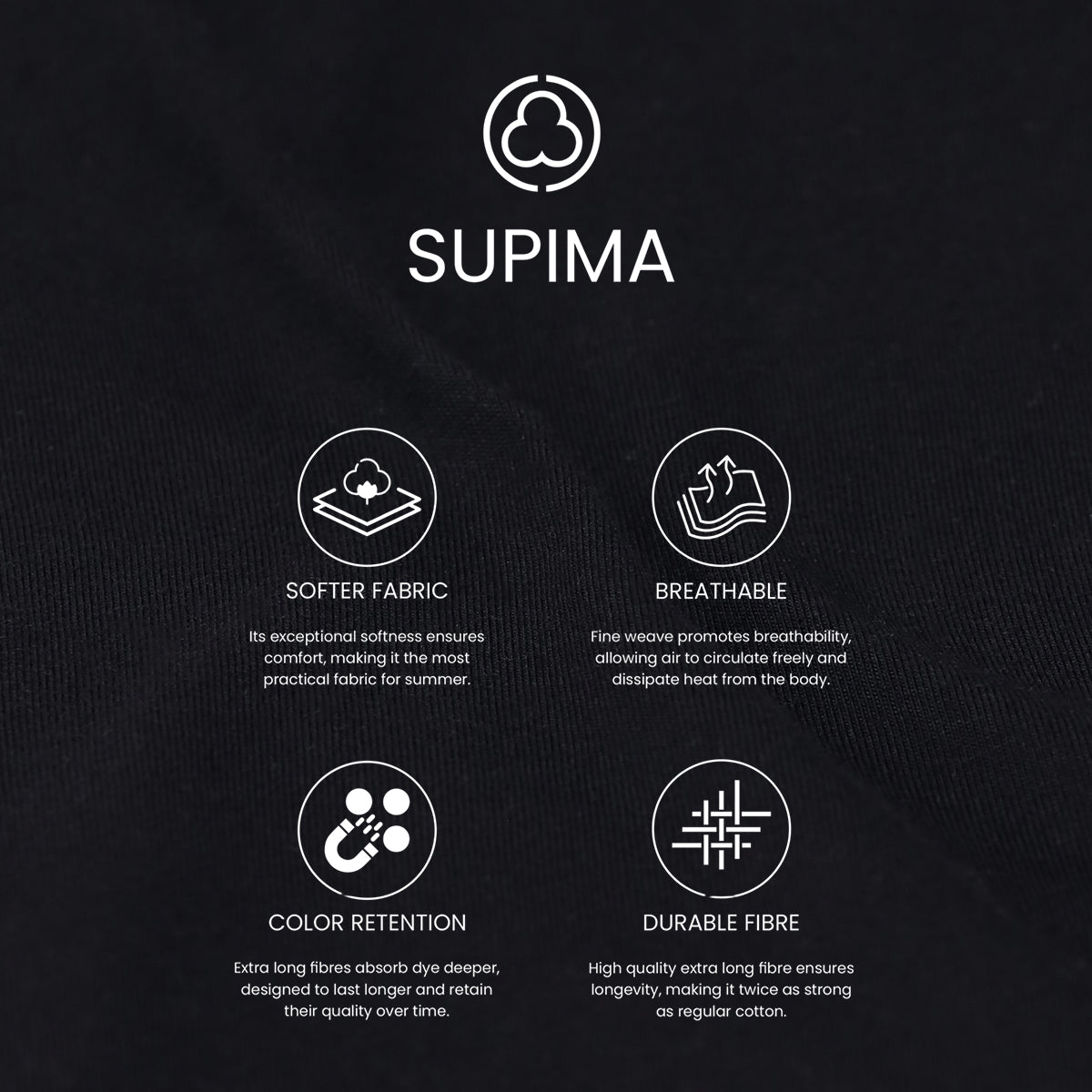
Standard cotton is spun from short to medium staple fibers. The shorter the fiber, the more joins required in the yarn and the more exposed ends sitting on the surface of the finished fabric. Those ends are what make ordinary cotton feel rough against the skin after a few washes. They are what cause pilling, what accelerate fading, and what slowly loosen the structure of a shirt until it no longer holds its shape.
Supima cotton is grown from extra-long staple fibers. Fewer joins in the yarn, fewer ends on the surface, a weave that stays coherent under pressure. The fabric is measurably softer, stronger, and holds dye with a consistency that keeps color looking fresh deep into the season. Supima represents less than one percent of global cotton production, which is not a marketing figure, but an explanation for why most brands never use it.
wewear does. The decision was straightforward: nothing else performs the way a Pakistani summer actually requires.
What the Fabric Feels Like at 3 pm on a Tuesday in July
Spec sheets describe fabric in numbers. What they cannot describe is the absence of irritation across a long afternoon, the way a well-made shirt disappears against the skin rather than announcing itself.
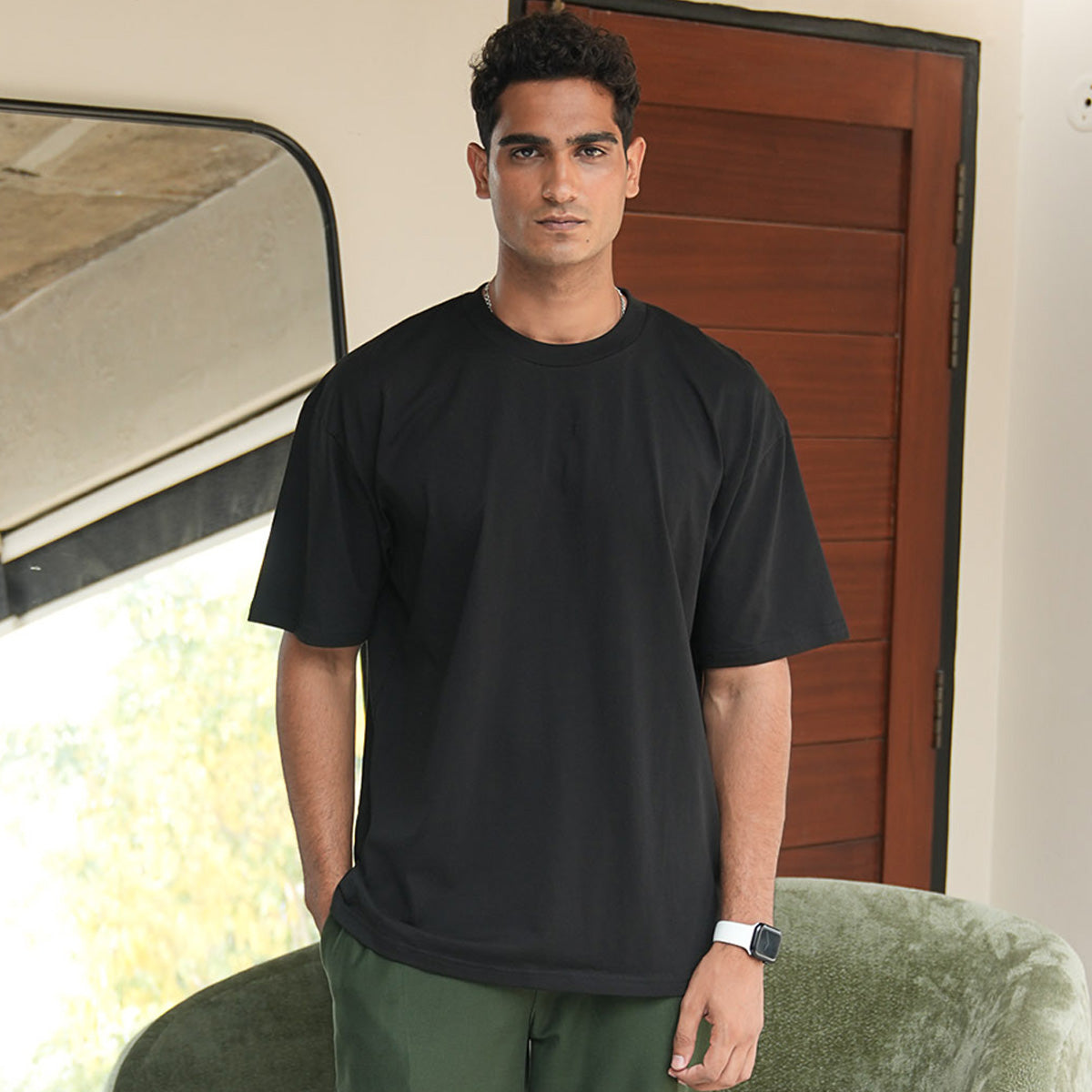
Supima's extra-long fibers produce a surface with far fewer exposed ends than standard cotton. The result is a smoothness that sits closer to silk than to the slightly scratchy texture most people have learned to accept as normal. No catching at the collar. No gradual abrasion where the sleeve meets the shoulder. For anyone who has spent a humid Pakistani afternoon in a rough cotton tee and arrived somewhere feeling like they'd been wearing sandpaper, this is the difference that matters most.
wewear's customers return for this before anything else. Comfort is the word they use. What they mean, when you ask further, is that the shirt stops being something they think about.
Breathability Is Not a Feature. It Is the Baseline.
In dry heat that exceeds 40°C, a fabric that traps warmth close to the body is not uncomfortable it is untenable. Supima's finer weave allows air to move freely through the fabric, drawing heat away from the skin rather than holding it in place. The shirt stays light. The body stays regulated.
When humidity arrives with the monsoon, the test changes. Supima absorbs perspiration and releases it through evaporation at a rate that coarser cottons cannot match. The fabric does not saturate and stay saturated. Moisture moves through it. That distinction between a fabric that processes perspiration and one that simply holds it is what separates a shirt that works through a humid Karachi afternoon from one that gives up by noon.
Three Fits. Worn Your Way.
wewear offers the Supima t-shirt in relaxed, regular, and oversized fits. The reasoning is uncomplicated: minimalism is about removing what does not serve you, not removing your options.
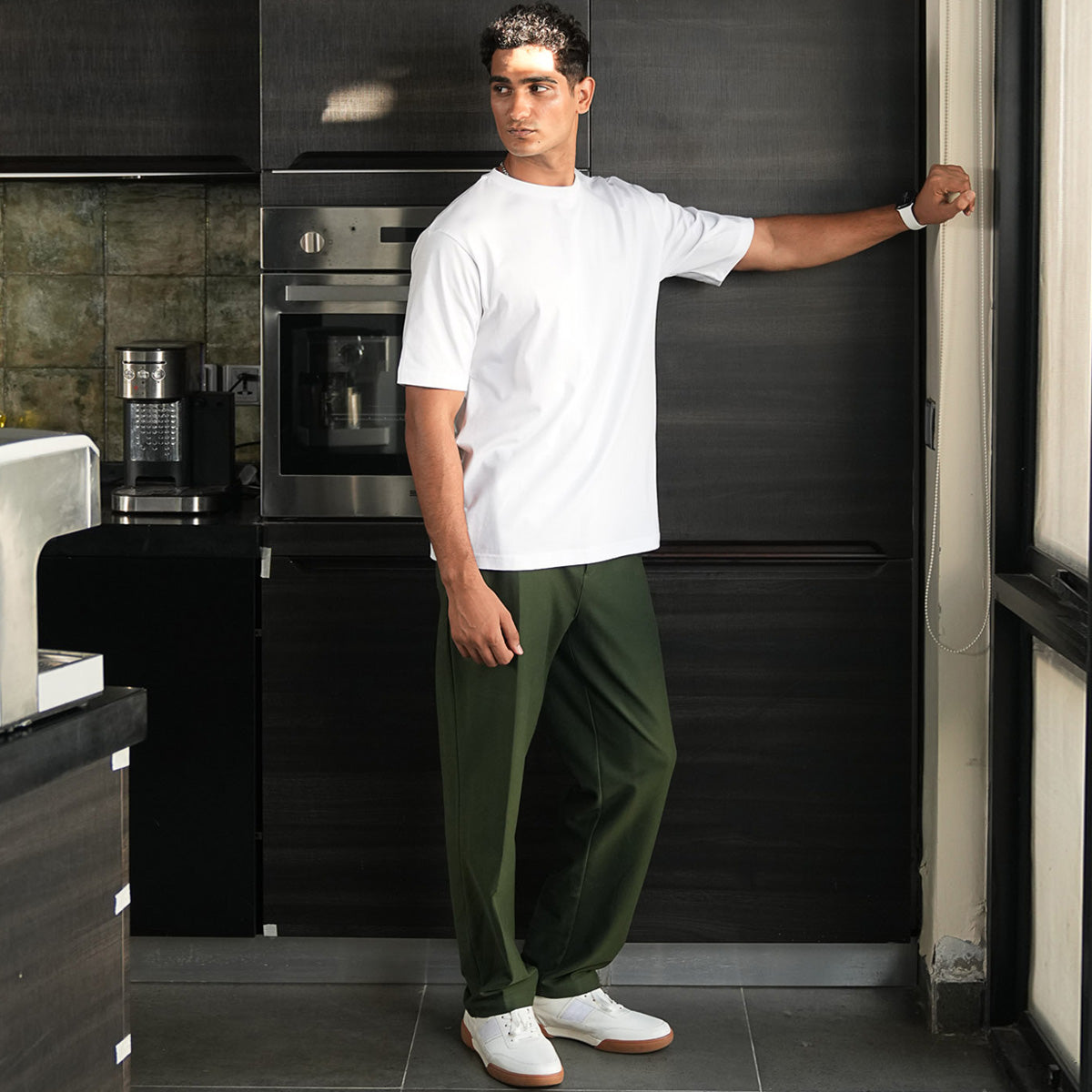
For men, the regular fit is clean and direct. Worn with tailored trousers, it reads as intentional; worn with casual shorts, it requires no effort to look right. It is the kind of men's casual t-shirt that works across a full day without needing to be reconsidered. The relaxed fit carries more ease, well-suited to a men's western clothing wardrobe built around comfort without sacrificing proportion. For those who prefer the oversized silhouette, the Supima fabric ensures it falls with shape rather than collapse.
For women, the relaxed fit is the one that surprises people. Tucked into wide-leg trousers, it sits without bunching. Worn loose over jeans, it has a quietness that over-constructed fabrics never quite manage. Plain t-shirts for ladies are rarely described as elegant in Supima, but with the right fit, that changes. The oversized fit has become a genuine staple in women's western clothing because the drape of the fabric gives it a silhouette that ordinary cotton, at any size, cannot replicate. Cotton t-shirts for women that promote airflow without pulling at the body are worth understanding, especially through the months when the air itself feels heavy.
How to Care for It
Cold wash. Mild detergent. Air dry in the shade. That is the entire routine.
Cold water preserves the fiber structure and keeps the color from breaking down prematurely. Harsh detergents weaken fine cotton over time; a mild alternative cleans just as effectively without the attrition. Shade drying matters more than people expect: direct Pakistani sun bleaches even well-dyed fabric across a season of regular washing. Fold for storage rather than hanging, which pulls the shoulders out of shape gradually and quietly.
A wewear t-shirt maintained this way does not look tired by August. That is not a small thing when summer runs as long as it does here.
A Wardrobe That Does Not Need to Announce Itself
The wewear customer knows what they want, even when they cannot immediately name it. They are not building a wardrobe around statements. They are building around pieces that work that feel right on an ordinary Tuesday, that hold up through a season of real use, that do not require justification.
The right cotton t-shirt is where that wardrobe starts. Everything else follows.
Explore wewear's Supima collection, relaxed, regular, and oversized, for every kind of summer day.
Frequently Asked Questions
What should I check before buying a cotton T-shirt for summer?
Look for lightweight fabric, breathable weave, soft feel, and a comfortable fit. Also, check fabric quality (like Supima or combed cotton) and stitching durability.
Which type of cotton fabric is best for hot weather in Pakistan?
Extra-long staple cotton like Supima is ideal, as it’s more breathable, softer, and better at handling both heat and humidity.
How do I know if a T-shirt is breathable and good quality?
High-quality cotton feels smooth, not rough, and allows airflow. It should absorb sweat without feeling heavy and maintain its shape after washing.
Where can I buy durable and comfortable Supima cotton T-shirts online?
You can explore premium options like wewear’s Supima collection, designed specifically for Pakistan’s summer climate.